The Blog
62 articles
Insights and updates from the team behind TTMCHANGE.
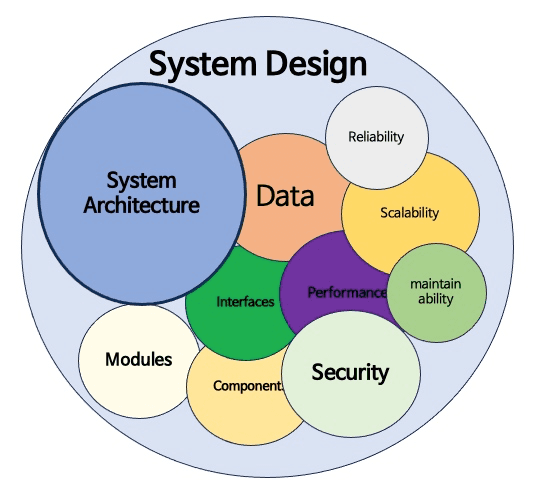
System design is the skill that separates code that runs from architecture that survives real traffic. Here's what it actually covers — from load balancers and databases to caching, and how to think through a design interview or a real production system.
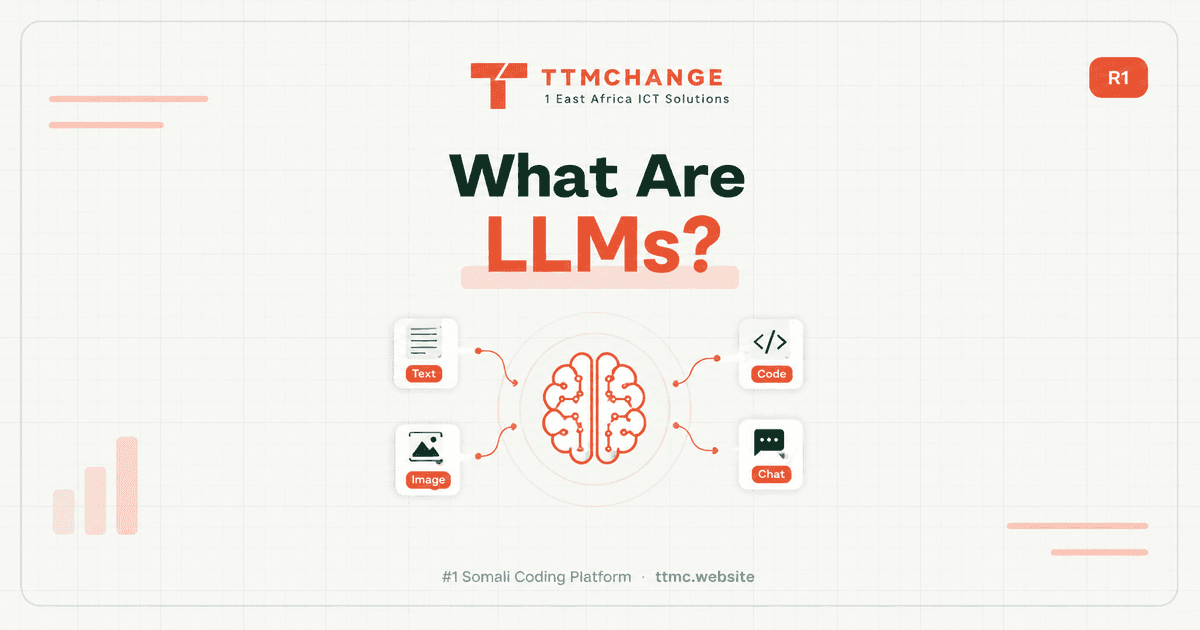
ChatGPT, Claude, Gemini, and Llama are all built around Large Language Models — but what actually makes a model "large," and how does it turn a prompt into an answer? Here's the pipeline underneath the chatbot.
OpenClaw is a self-hosted AI agent that connects to your messaging apps and actually takes action on your systems — not just answers questions. Here's how it works, and the security architecture that matters more once an AI can touch your machine.
Greater AI capability creates greater responsibility. AI ethics isn't a document you write after shipping — it's engineering decisions, data governance, and accountability built into the system from the start.
The industry has run on "bigger models, more compute, better capability" for years. Smaller and open-weight models are quietly breaking that pattern — and changing how AI products should actually be built.
Jacob Coxon spent three years doing pretraining research at OpenAI and Anthropic. He walked away from both the job and his unvested equity, warning the industry is racing toward self-improving AI faster than it can control it.
Google's Gemini 3.7 Flash is pitched around fast agentic workflows and UI generation. I tested it on a real redesign and a from-scratch build — the results said less about the model than about how you prompt it.
Writing code that runs is not the same as engineering a system that lasts. Here's what Software Engineering actually covers — from architecture and testing to deployment, security, and trade-offs — and why it matters more, not less, in the AI era.
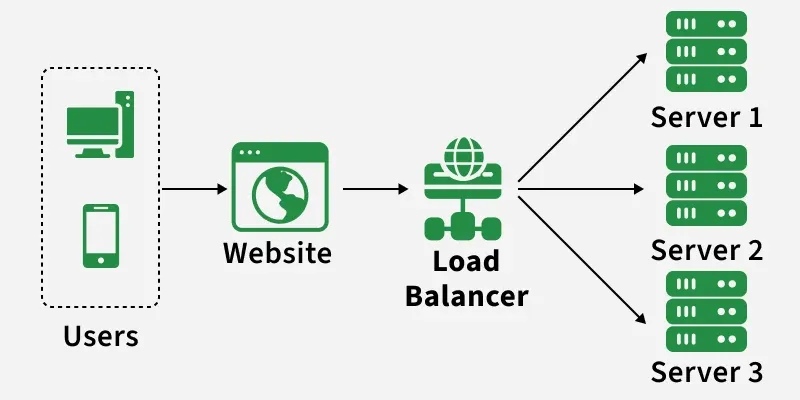
A server that gets every request eventually falls over. Load balancing is the technique that spreads traffic across multiple servers so your application stays fast, reliable, and available as it grows.
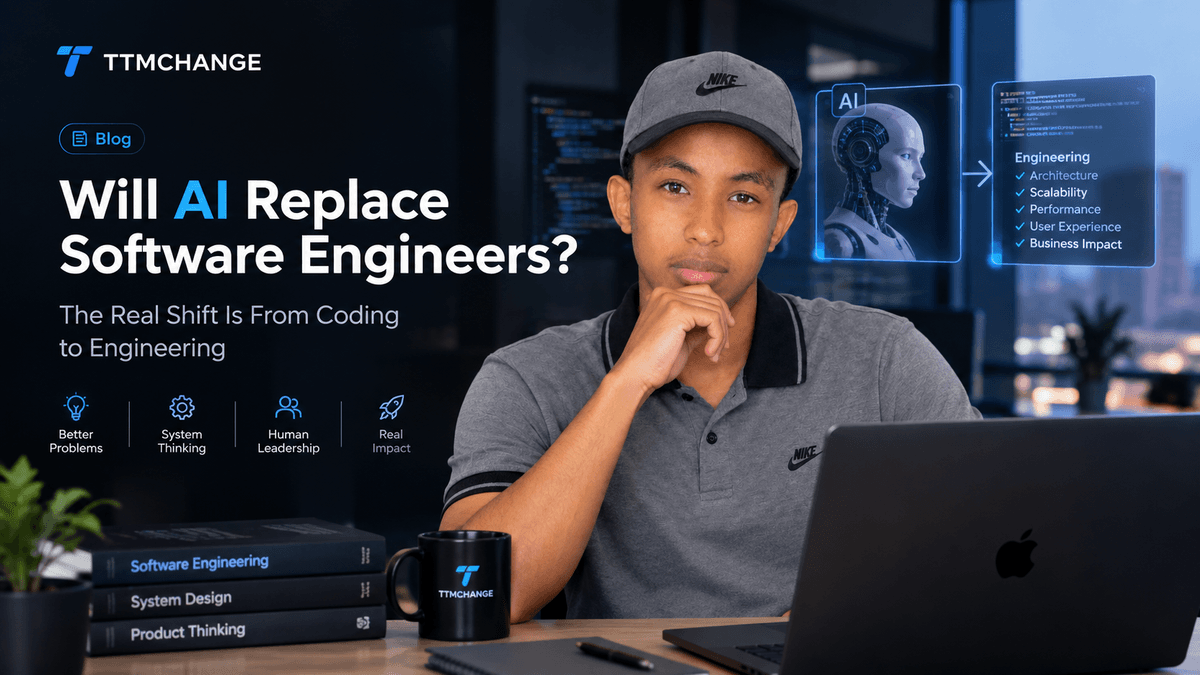
AI is already changing how software is designed, implemented, tested, and shipped. But replacing software engineers is a much harder problem than generating code. The real shift is from manually writing software toward designing, validating, securing, and operating systems with AI as an engineering multiplier.
Page 1 of 7
Our Writers
Get new posts by email
No spam — just new articles and the occasional offer.