The Blog
31 articles
Insights and updates from the team behind TTMCHANGE.
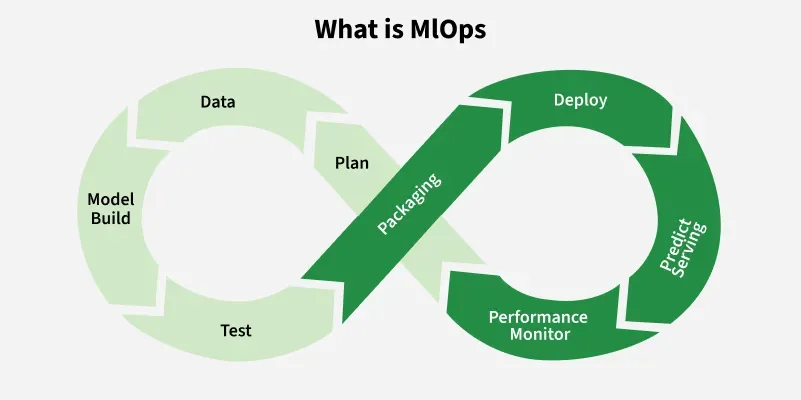
MLOps is the engineering discipline that connects machine learning development with reliable production systems. It helps teams deploy, monitor, retrain, and maintain AI models as real-world data and requirements continuously change.
NVIDIA is reportedly spending $6 billion to license Poolside’s internal “Model Factory,” while offering jobs to 109 employees and investing another $1 billion in the company. The unusual structure reveals something important about where the AI race may be heading: the most valuable asset may not be the model itself, but the infrastructure used to build it.
A mysterious AI model called Ox Alpha has appeared on OpenRouter with a 1-million-token context window and multimodal capabilities. But the biggest question is not what it can do—it’s who built it.
DeepSeek is moving beyond models with DeepSeek Harness, an open-source agent runtime built around a simple idea: everything is a plugin. Here’s what makes its architecture interesting for developers building the next generation of AI coding agents.
A look at the latest LLM rankings for coding, reasoning, and complex problem-solving—and why Claude Opus models are currently dominating the top positions.
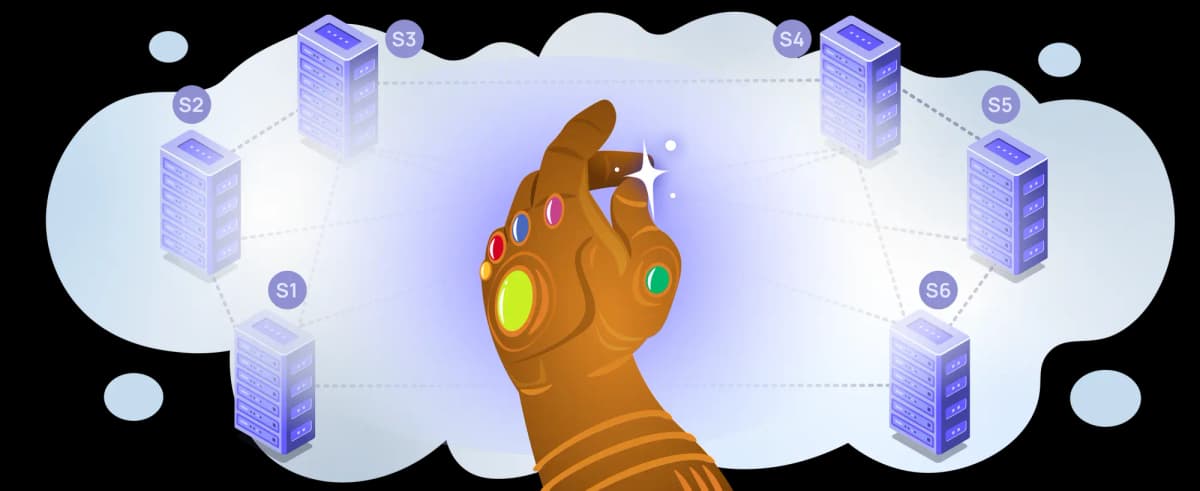
YouTube looks simple from the outside, but behind every play button is a massive distributed system built around storage, transcoding, content delivery, networking, and reliability. This is a look at the engineering principles that allow YouTube to operate at global scale.
Claude Code can be incredibly powerful, but inefficient context management can consume tokens faster than necessary. Here is a practical engineering approach to reducing token usage while keeping Claude effective across real-world development workflows.
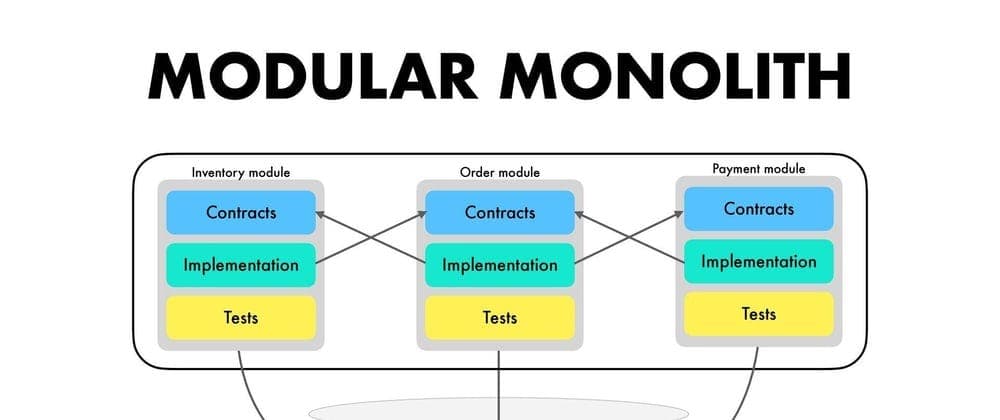
As applications grow, adding features can gradually turn a codebase into a complex and fragile system. Modular architecture provides a structured way to scale engineering teams and products while keeping responsibilities isolated, dependencies controlled, and the codebase maintainable.
A production API is more than a collection of endpoints. Good API architecture requires careful decisions around contracts, validation, authentication, versioning, performance, observability, and failure handling. These principles determine whether a backend remains maintainable as users, features, and traffic grow.
distributed systems architecture cloud infrastructure software engineering servers network
Page 1 of 4
Our Writers
Get new posts by email
No spam — just new articles and the occasional offer.